A WAINAINA METHOD DIAGNOSTIC
The Leading Under Pressure Field Guide.
The four-move protocol for the exact moment your best thinking disappears — rehearsed in advance, so the room never sees you improvise.
“Pressure doesn’t reveal your character. It reveals whichever sequence you rehearsed before the crisis started.”
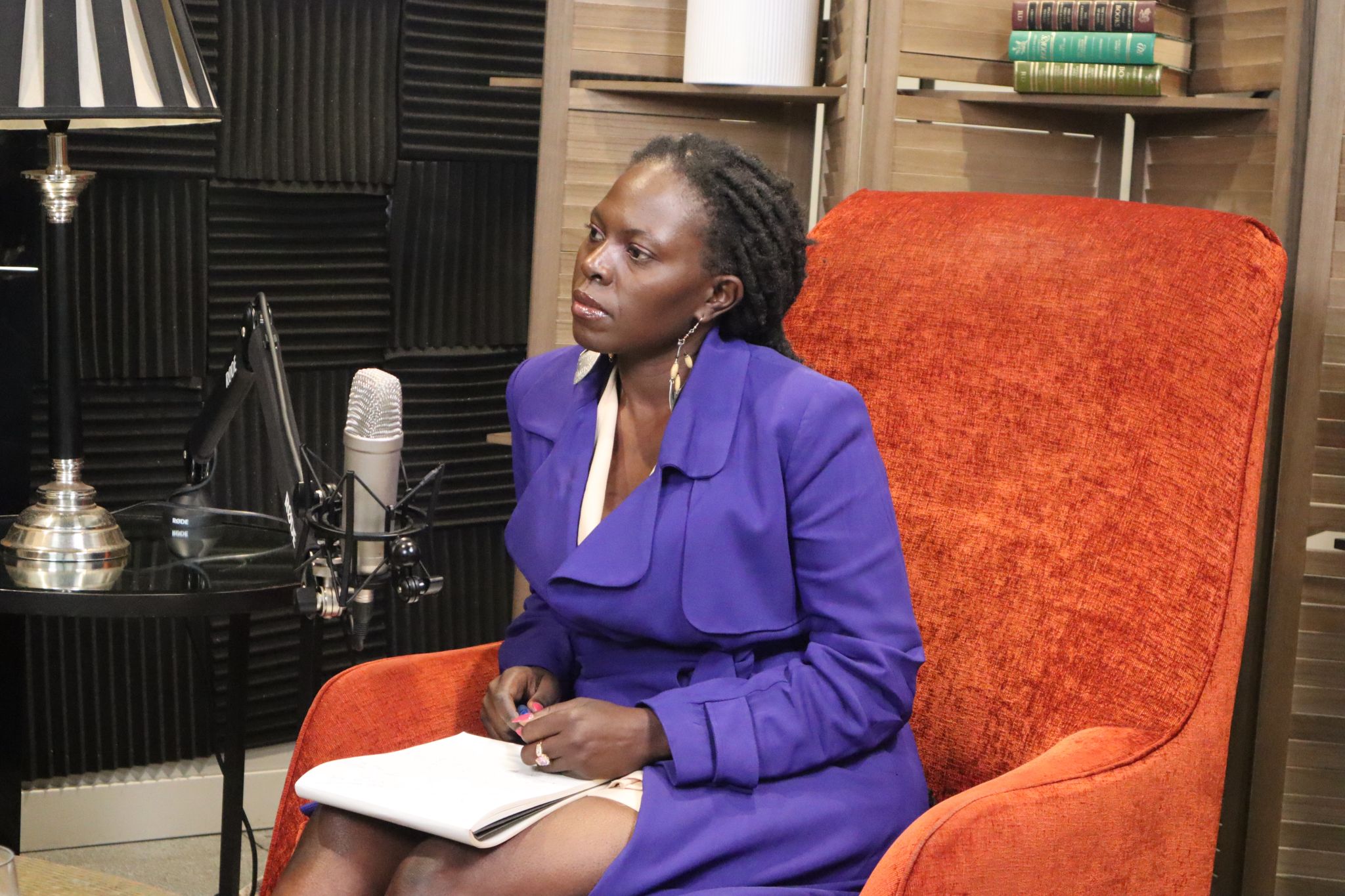
Portrait — annastacia‑hero.jpg
The research behind this guide
- U.S. DoD research — stress & leadership cognition
- Starcke & Brand meta-analysis, 32 studies
- Harvard Business Review, crisis communication
- Global Executive Institute, 2024 C-suite survey
01 — The Wake-Up Call
The Higher the Stakes, the Worse Your Brain Gets.
Leaders are expected to be at their sharpest exactly when the science says they are least equipped to be. Under acute stress, the influx of cortisol and norepinephrine interrupts working memory and narrows cognitive complexity — leaders under pressure default to an overly simple read of the crisis and a shorter list of options, not a longer one.
In high-pressure, people-heavy sectors, that gap is where incidents happen. Clinical escalations, regulatory visits, and team crises rarely wait for a leader’s best cognitive hour — they tend to land in the worst one.
“You don’t rise to the moment. You default to whatever you rehearsed before it.”
85%
of C-suite executives feel significant or constant time pressure making critical decisions
Global Executive Institute, 2024
71%
say pressure directly shaped a major decision in the past year
Global Executive Institute, 2024
25–40%
estimated decline in cognitive quality by late afternoon from ordinary decision fatigue
Stealth Agents research summary
32 studies
and 1,800+ participants show stress reliably degrades decision quality
Starcke & Brand meta-analysis
02 — The Market, Honestly Assessed
Plenty of Crisis Leadership Advice. Almost None Built for the First 10 Minutes.
Search for help leading under pressure and you’ll land on one of three well-established approaches — each genuinely useful, each missing something.
OODA Loop
- Built for
- Military / tactical fast decisions
- Delivers
- A fast observe–orient–decide–act cycle
- Misses
- The “holding” dimension — calming the room, not just yourself
HBR Crisis Communication Principles
- Built for
- Organizational / public crisis messaging
- Delivers
- A transparency, empathy and honesty framework
- Misses
- Assumes your own head is already clear before you speak
Resilience / EQ Coaching Programs
- Built for
- Long-term capability building
- Delivers
- Deep, durable pattern change over months
- Misses
- An in-the-moment reference for the next 10 minutes
The Leading Under Pressure Field Guide
- Built for
- Leaders in high-pressure, people-heavy sectors
- Delivers
- The HOLD Protocol — physiology, cognition and communication in 4 moves
- Misses
- Nothing — it’s the entry point to a deeper Pressure Leadership session
03 — The Method
Under Pressure, You Don’t Need More Willpower. You Need a Rehearsed Sequence.
Psychologists describe part of what steadies a group in crisis as “holding” — an authority figure’s ability to contain distress and interpret a confusing situation so people can move purposefully instead of flailing. The WAINAINA Method turns that idea into four rehearsable moves — the HOLD Protocol.
Move One
Halt
Physiologically interrupt the stress response before it drives your next move — a deliberate pause long enough to let the first spike pass.
Move Two
Observe
Separate signal from noise. Name what you actually know right now, versus what you are simply assuming.
Move Three
Lead the Room
Contain the group’s anxiety before offering direction — people need to feel held before they can be led.
Move Four
Decide & Declare
Make the smallest reversible decision that unblocks the team, then say it out loud using a four-part script.
Run all four in sequence, and the room experiences a leader who looks calm because the calm was rehearsed — not improvised in real time.
04 — The Field Guide
The First 10 Minutes of a Pressure Spike.
Keep this open on your phone or printed at your desk. When pressure spikes, work down the four steps in order — resist the urge to skip straight to D.
Step 1 — Halt
Physically pause: hands still, feet planted, one exhale twice the length of the inhale. Name your default reaction right now — freeze, fix, fight, or flee.
Rationale: acute stress narrows cognitive complexity within seconds — a deliberate pause is what buys the option-space back.
Step 2 — Observe
What do I know for certain right now? What am I assuming that I have not actually confirmed?
Rationale: stress pushes decision-makers toward the first plausible story, not the most accurate one.
Step 3 — Lead the Room
Who in the room needs containing before they need direction? One sentence that names the moment without dramatizing it.
Step 4 — Decide & Declare
Smallest reversible decision that unblocks the team right now — plus the next check-in time you will commit to, out loud.
The Pressure Communication Script
“Here’s what we know…”
“Here’s what we don’t know yet…”
“Here’s what we’re doing right now…”
“Here’s when we’ll check in next…”
Free — sent straight to your inbox
Get the Full Field Guide
The complete, fillable version of the HOLD Protocol — every prompt above, plus the full pressure communication script — delivered as a PDF you can keep on your phone or print for your desk.
- The four-step HOLD Protocol, fillable
- The Pressure Communication Script
- The four pressure-default patterns, explained
05 — Read the Room
Which Default Do You Fall Into When Pressure Spikes?
Four quick scenarios. No right answers — just the pattern you actually reach for. Takes about 90 seconds.
A clinical incident report lands on your desk with conflicting details. Your first instinct is to…
Immediate move
Sector risk: in aged care, health and other regulated environments, defaulting to Freezer or Fixer during a clinical escalation or audit is exactly when reduced cognitive complexity produces an oversimplified read of the incident and a thinner set of options — the pattern behind many preventable findings.
06 — The Honest Limit
A Field Guide Helps You Cope. It Won’t Rewire the Default.
This guide will get you through the next ten minutes better than you would have managed alone. It will not tell you why you personally default to Freezer under a board question but Fixer under a clinical one, or how deep that pattern runs when the stakes are highest.
Rewiring a default takes deliberate practice under simulated pressure, with real feedback on the exact moment the pattern kicks in — not a worksheet read once and filed away. That’s the work I do directly with leaders and leadership teams: pressure-simulation coaching that pairs the HOLD Protocol with structured, in-the-moment feedback until the sequence becomes the actual default, not the aspiration.
“Everyone finds their calm on paper. The work is finding it while the room is watching.”
07 — Your Next Step
If a Recent Moment Under Pressure Didn’t Go the Way You Wanted—
Book a Pressure Debrief Call. Twenty minutes, no slide deck — we walk through what actually happened, which default you fell into, and what the HOLD sequence would have looked like in that exact moment.
20 minutes, one specific moment
annastacia@annastaciawainaina.com

About Annastacia
Annastacia Wainaina is an executive coach and aged care quality consultant who has spent years inside high-pressure clinical and regulatory environments. She helps leaders build rehearsed, repeatable responses to pressure — so the moment of crisis isn’t also the moment they discover they didn’t have one.